Trading With the Trend: A Professional Approach to Market Consistency
In financial markets, most losses do not come from poor indicators or bad entries.
They come from trading against the dominant trend.
Professional traders rarely attempt to predict market tops or bottoms. Instead, they focus on alignment—aligning their trades with the prevailing market direction. This principle alone eliminates a significant portion of low-probability trades.
This article explains what trading with the trend truly means, why it matters, and how professionals apply it in practice.
What Is a Market Trend?
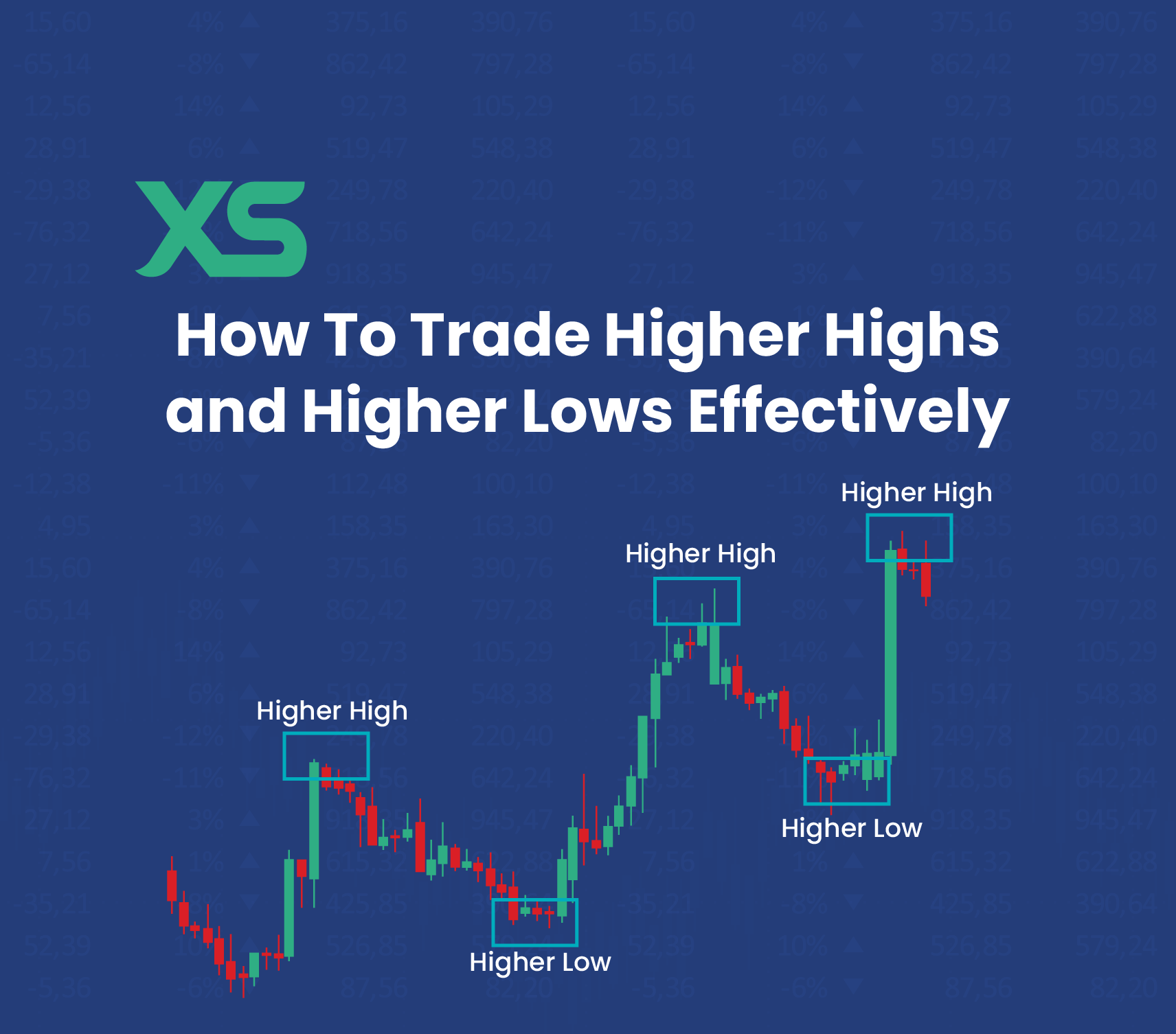
A trend reflects the dominant direction in which price is moving over a period of time.
Uptrend: Higher highs and higher lows
Downtrend: Lower highs and lower lows
Sideways market: No clear structure or direction
Trends are not opinions. They are visible through market structure.
When structure is clear, probability improves. When structure is unclear, risk increases.
Why Trading With the Trend Matters
Markets move due to institutional participation, not retail predictions.
Large participants build positions in the direction of trend, often over extended periods.
Trading against this flow means:
Fighting momentum
Reduced follow-through
Lower reward-to-risk efficiency
Trading with the trend means:
Momentum works in your favor
Pullbacks offer opportunity
Fewer stop-outs from random volatility
Professionals do not seek excitement. They seek repeatability.
The Core Rule of Trend Trading

In an uptrend, look for buy opportunities only.
In a downtrend, look for sell opportunities only.
This rule is simple, but its discipline is rare.
Many traders break this rule because:
Counter-trend setups appear “cheap”
Reversals feel rewarding
Social media glorifies prediction
Consistency, however, comes from confirmation, not anticipation.
Multi-Timeframe Trend Analysis
Professional traders separate direction from execution.
Higher Timeframe (1H, 4H, Daily)
Determines overall market biasLower Timeframe (5m, 15m)
Used for precise entries and risk control
This approach ensures that short-term trades remain aligned with broader market intent.
Trend defines what to trade.
Lower timeframes define when to trade.
Risk Management Within a Trend
Trend alignment does not remove risk.
It structures it.
Professional trend trading includes:
Pre-defined stop-loss levels
Favorable risk-to-reward ratios (e.g., 1:2 or higher)
Acceptance of losses as part of execution
Traders who survive long-term do not avoid losses—they control exposure.
Common Mistakes Traders Make With Trends
Entering late after extended moves
Trading during low-volume or sideways conditions
Ignoring higher-timeframe structure
Overtrading minor fluctuations
Avoiding these errors often improves results more than adding new strategies.


No comments:
Post a Comment